Today we’re in Split.
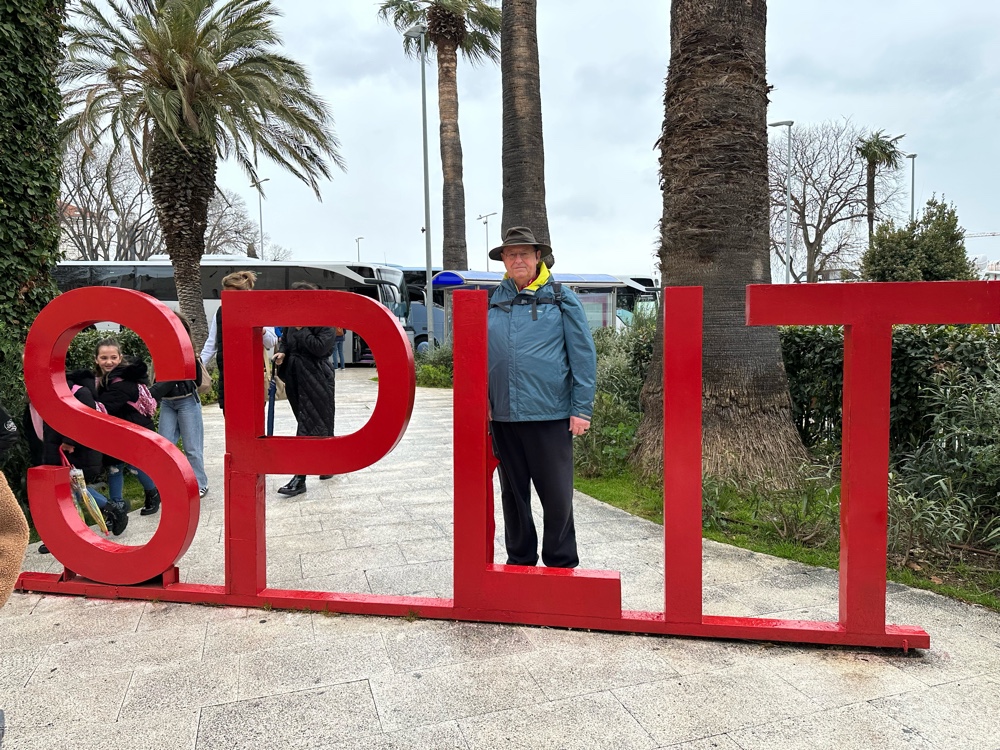
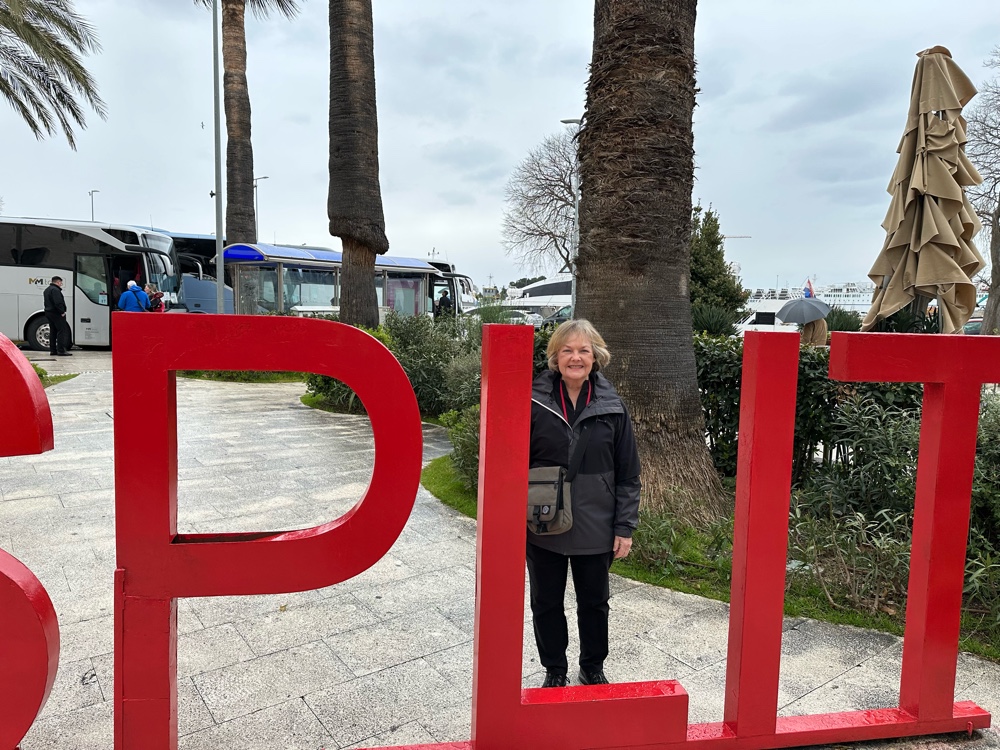
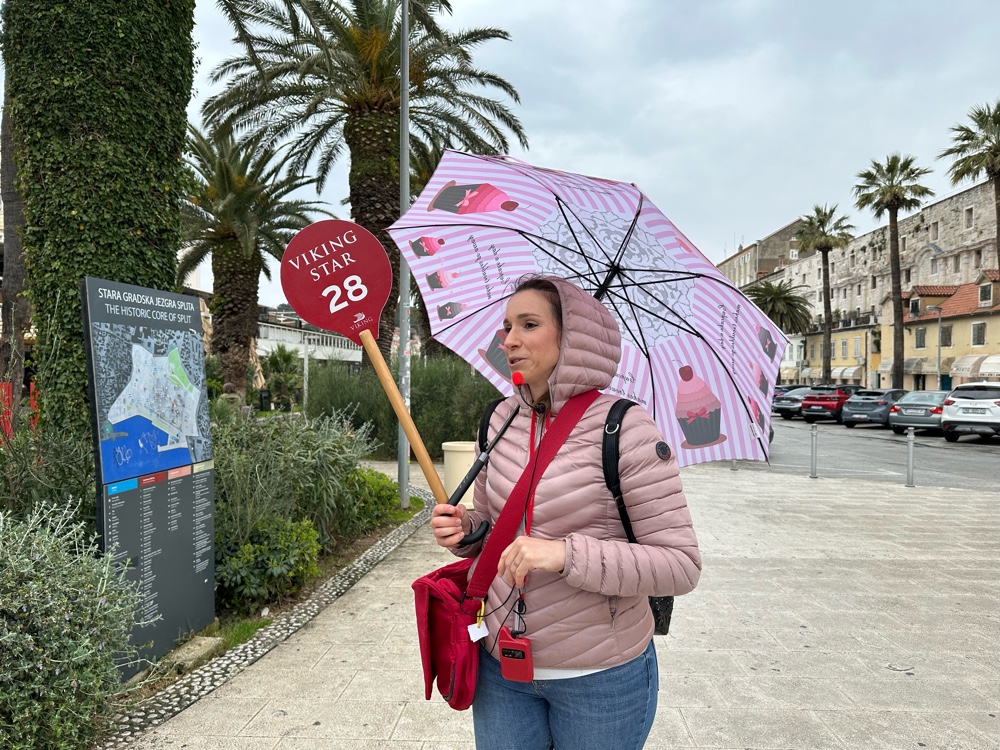
Apparently there are lines of people waiting their turns to get photographed at this iconic location during the tourist season. Despite the fact that the cruise historian talked about this last night, we were the only ones who posed here. We’re thinking we may have been the only ones of the MANY tour participants who bothered to go to the lecture and learn about what we were going to see today.
What we were going to see is Diocletian’s Palace, the heart of the city. Diocletian, in case you weren’t paying attention in class that day, was a 3rd century Roman emperor infamous for being one of the nastiest persecutors of Christians. He was born in a town near Split, and decided to build a retirement palace in Split where he spent his last years.
The history here goes back way further, though. Split is on the Dalmatian coast in a region first settled by the Illyrians, who predated the Romans. The name Dalmatian comes from their language, and Dalmatian dogs are from here, too.
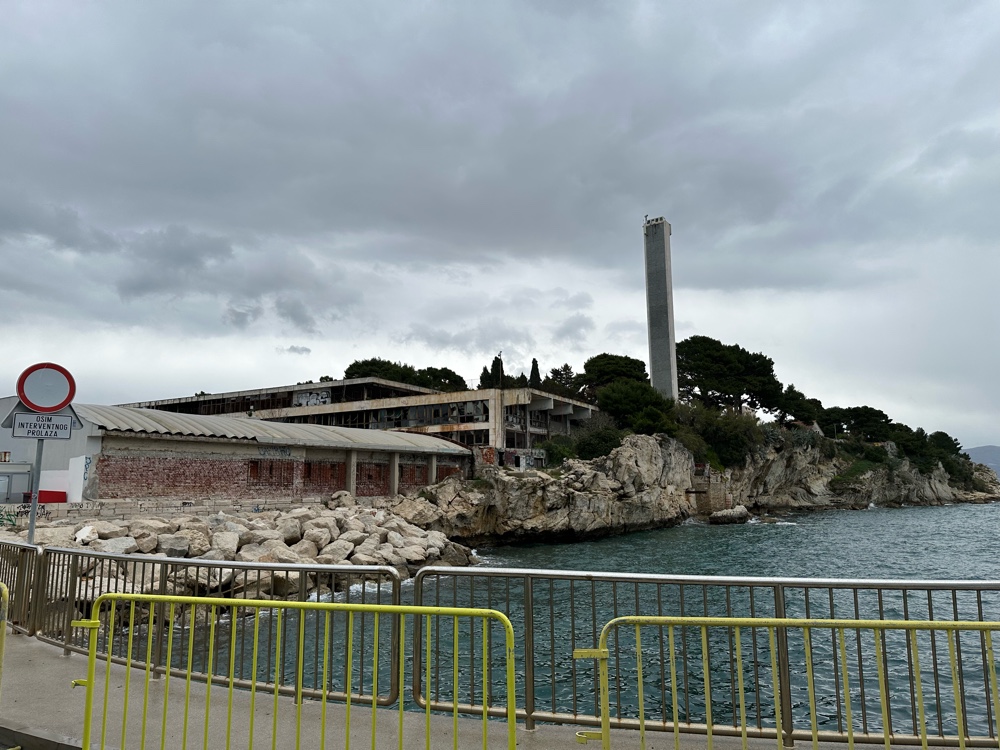
My first impression of the city was that it looked like a Soviet city on the skids -
That abandoned building was once a winery. According to our guide, city officials often talk about removing it, but nothing happens.
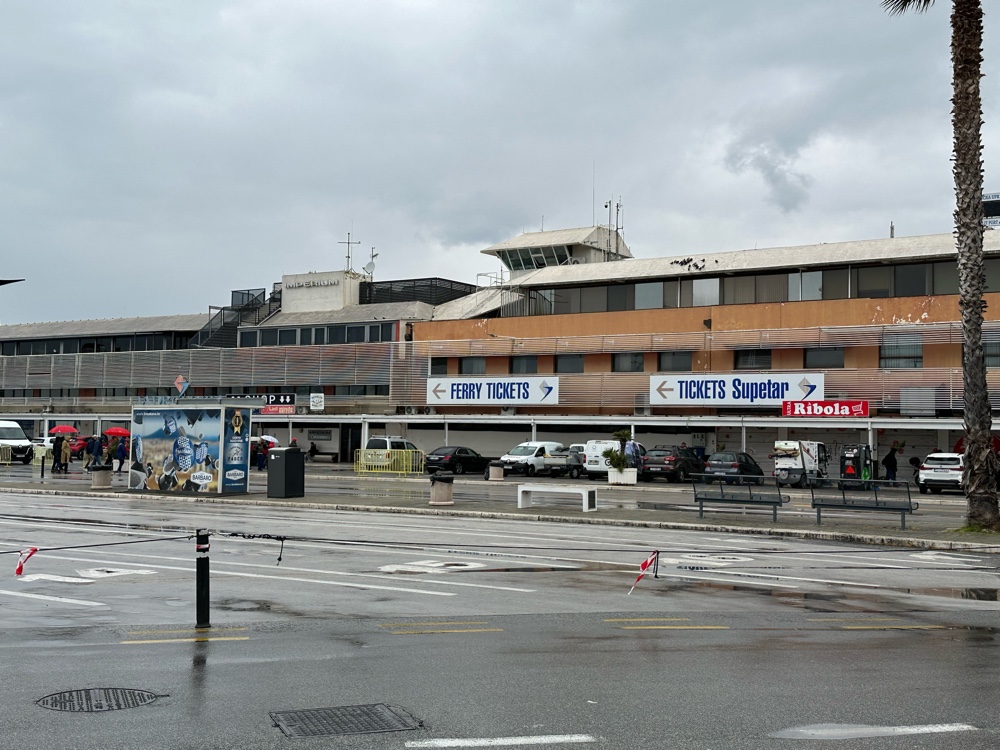
The rows of shops near the piers have a definite Soviet style, too.
Notice that the signs are all in English - our guide explained that nearly all signs are now in English. Students study English for their first 8 years of school, and any educated people who wants to get a job must demonstrate a proficiency in English.
As a matter of fact, our guide teaches English, and like many teachers, has a second job as a tour guide. This works because students go to school every other day in the morning and the other days in the afternoon.
Having two jobs is a necessity - after Croatia won its independence in 1991, its economy completely collapsed and has never really recovered. To make it worse, when Croatia switched its currency to the euro in 2023, prices soared.
Diocletian’s palace is interesting. Apparently it was more or less abandoned after his death in 305 AD. A few centuries later, in the 600’s or thereabouts, people living in the surrounding area took refuge there to escape the invading Huns. They used the materials to build houses within the walls, etc. Thus, not much of the original palace is intact.
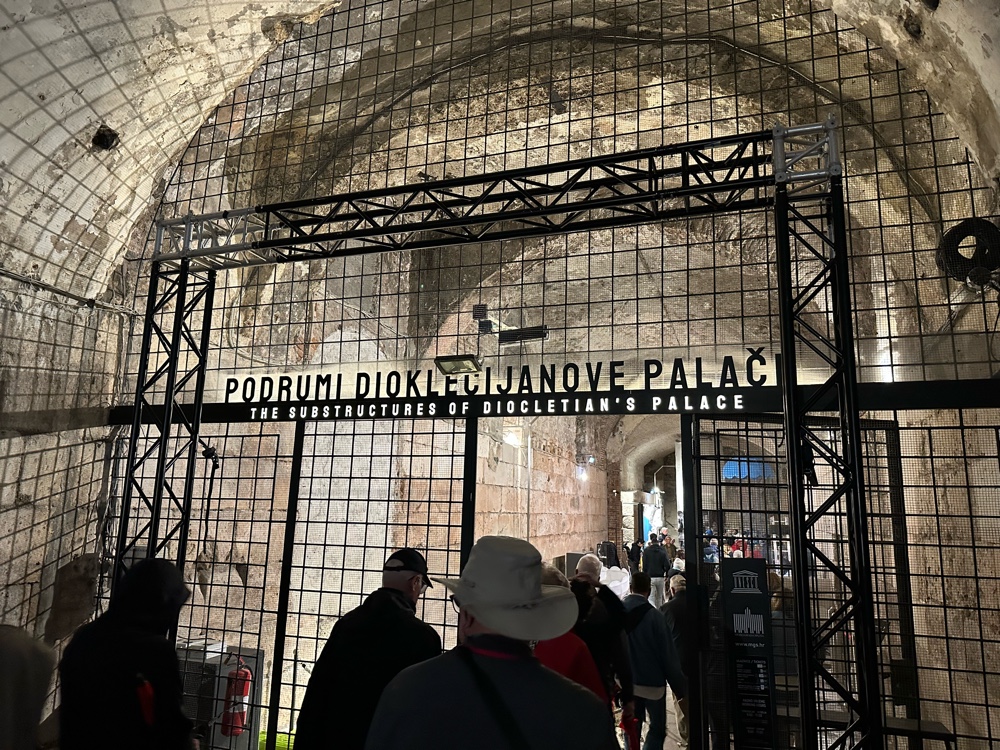
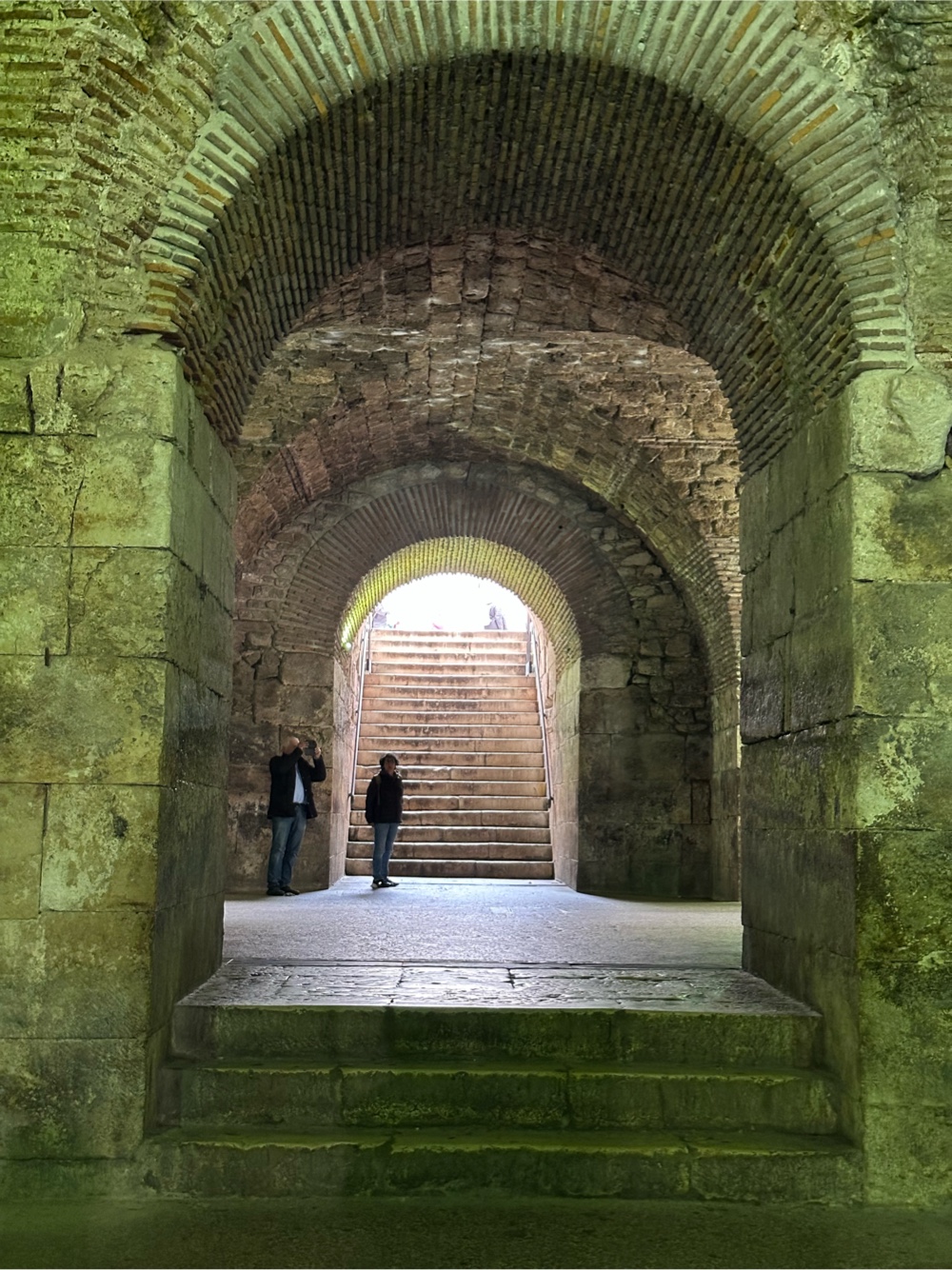
But the basement survived.
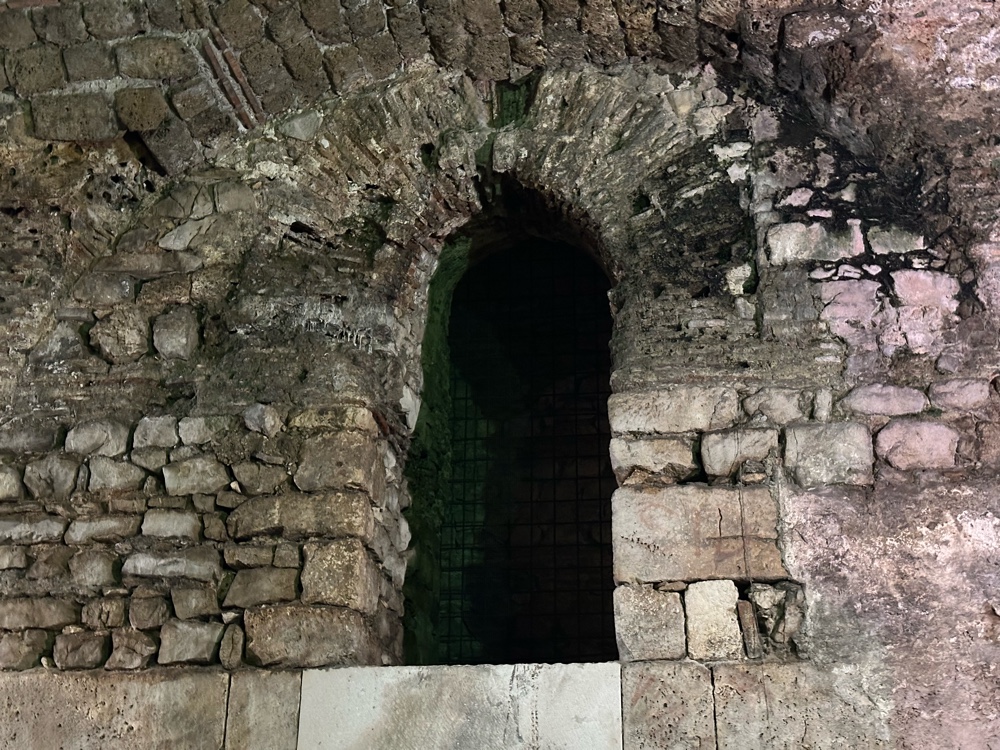
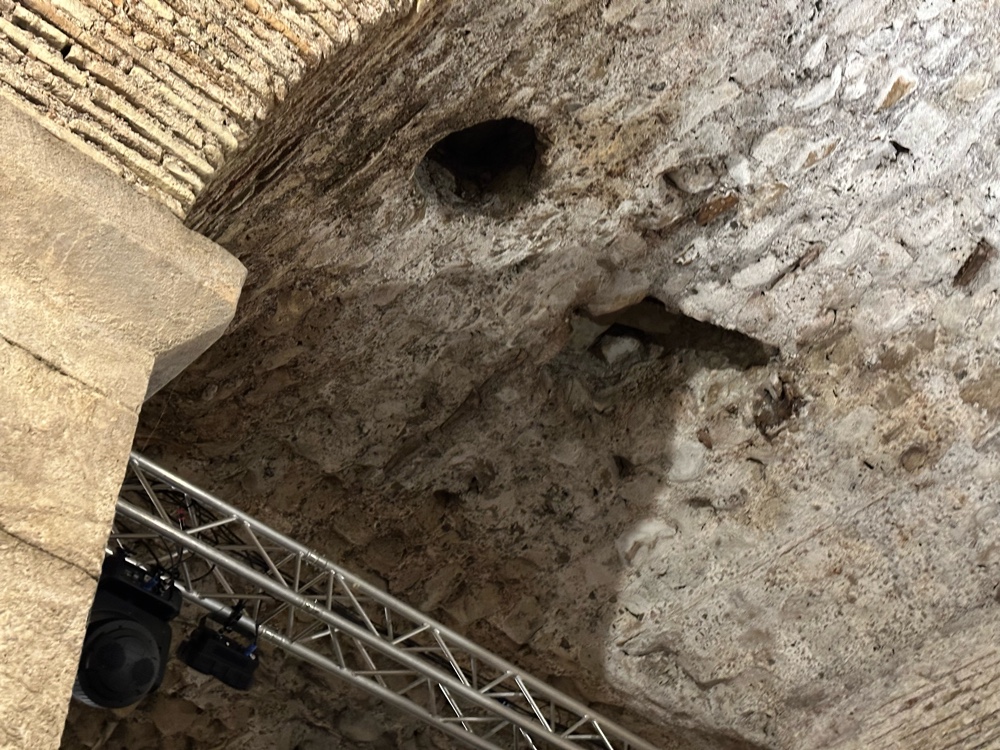
The reason basement is so well preserved is that the people living above it dug these holes and dumped their garbage and (more importantly) their human waste down those holes, filling the basement with anaerobic materials, which preserved them.
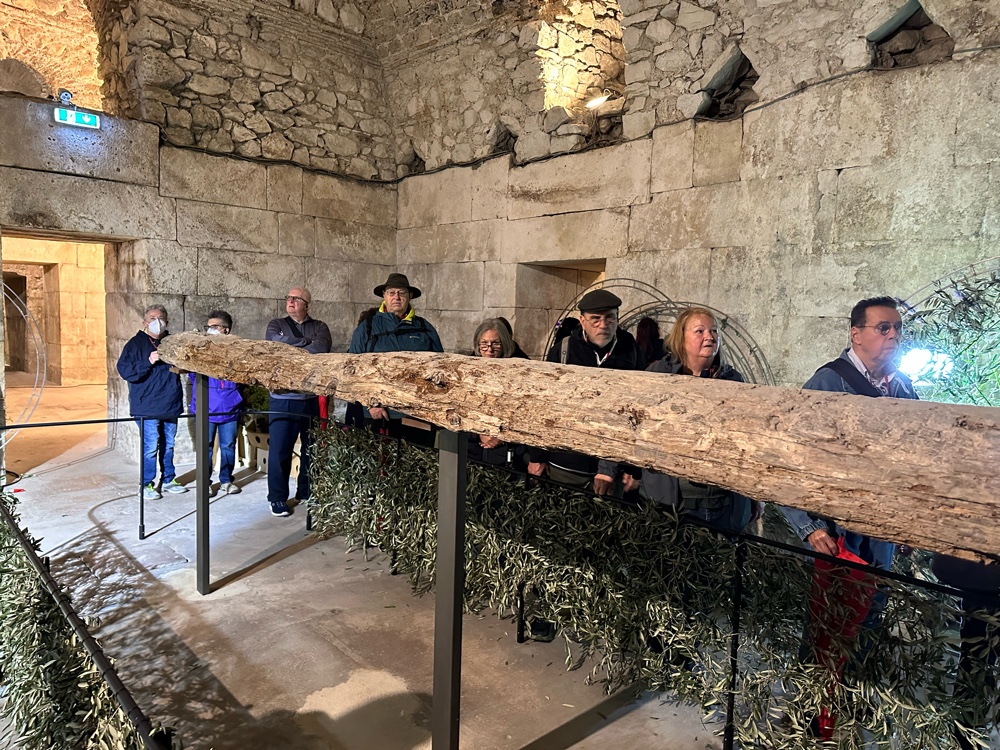
This log that was used as a support was found petrified when the basement was finally excavated.
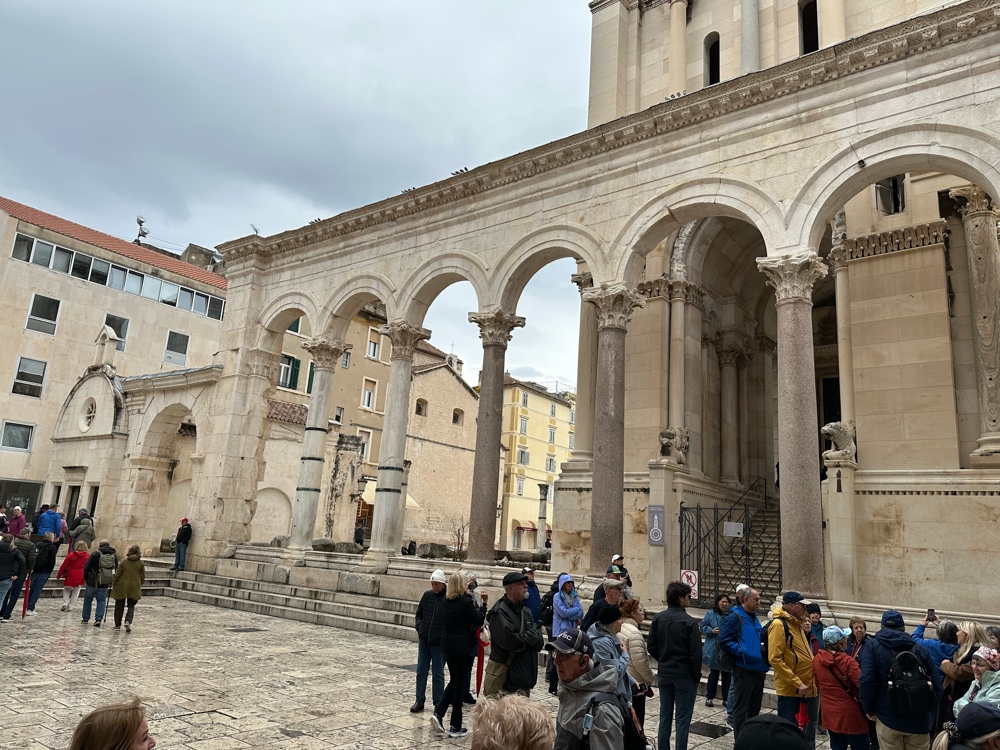
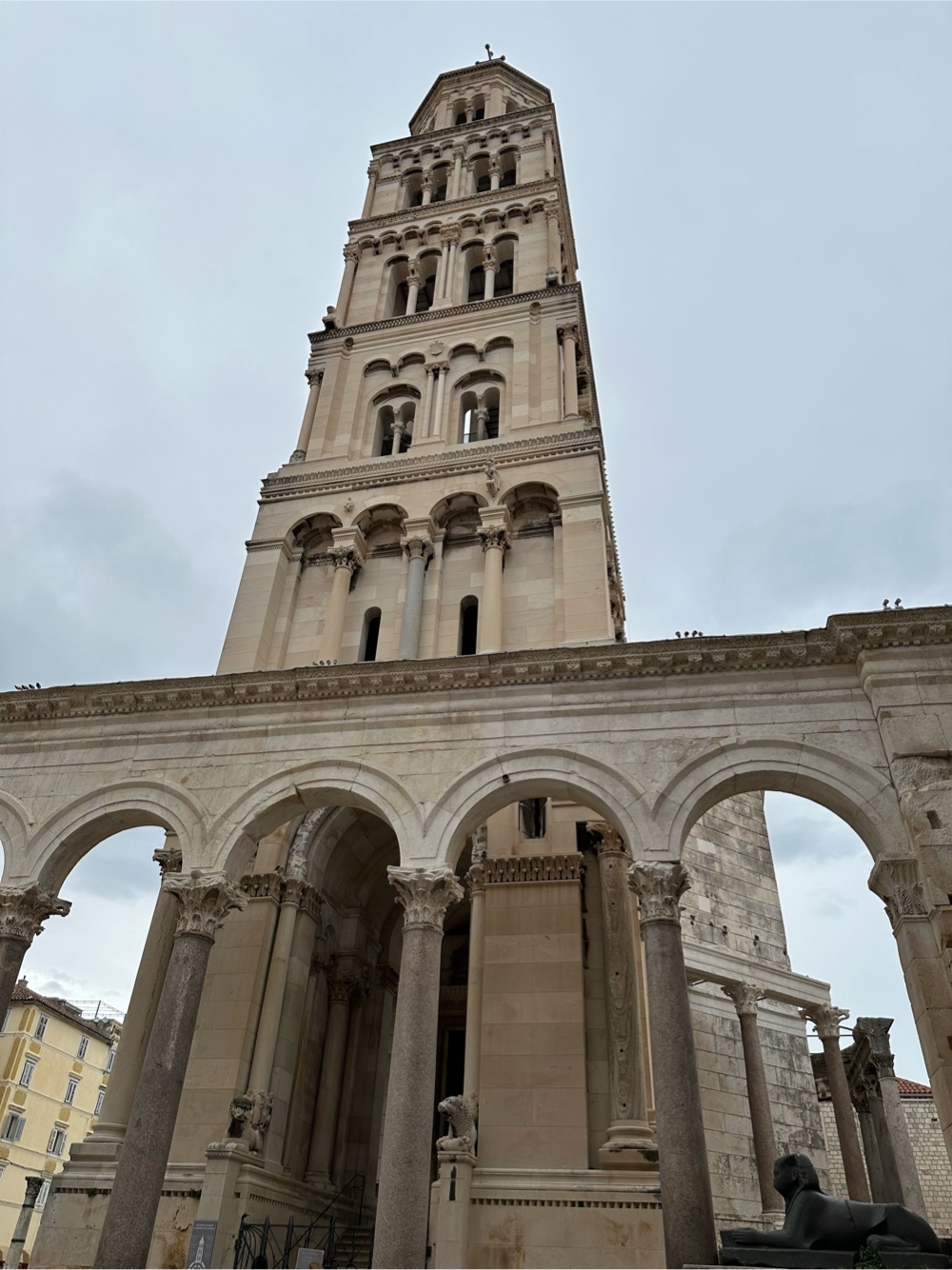
The upper areas include the central courtyard and (ironically) a cathedral. Diocletian would be turning over in his tomb if later Christians hadn’t removed his remains and buried a couple of the martyrs he executed in his place.
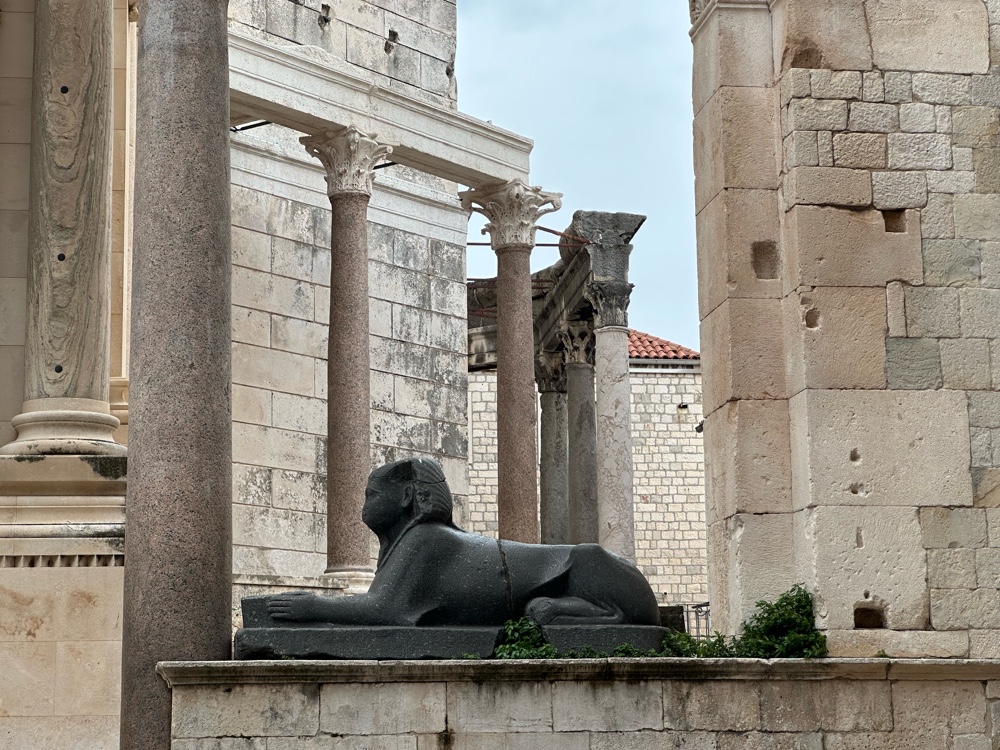
This sphinx was imported from Egypt by Diocletian. Notice that its nose has been removed - that was done by Christians after Diocletian died. They believed (I’m not making this up) that this pagan symbol’s power could be destroyed by cutting off its nose so that it couldn’t breathe and would suffocate.
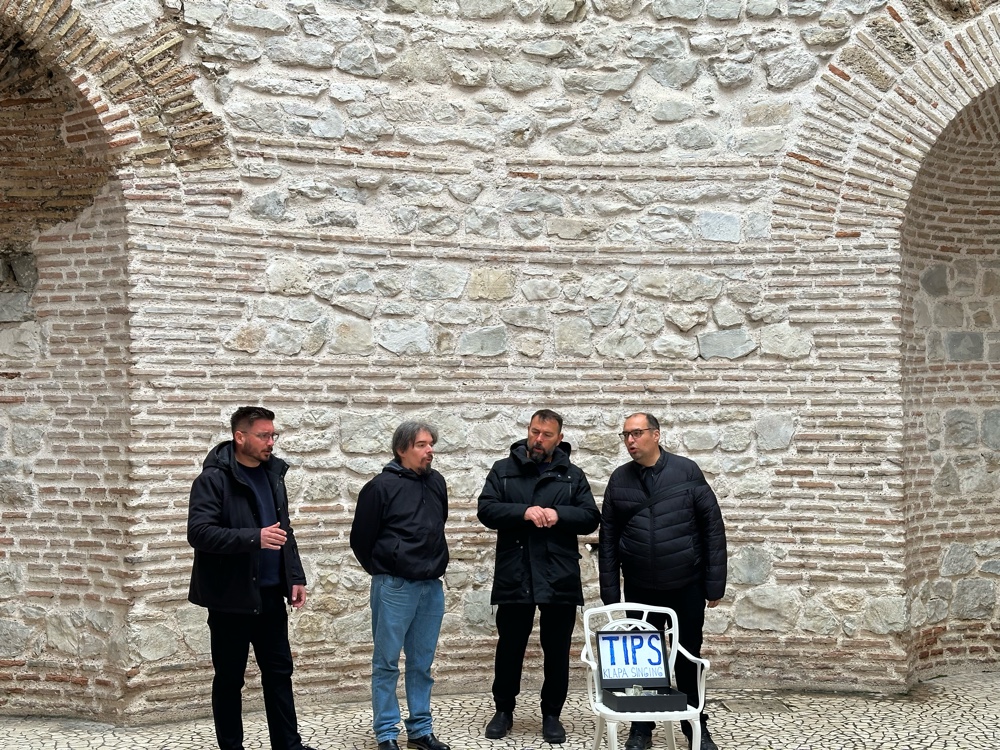
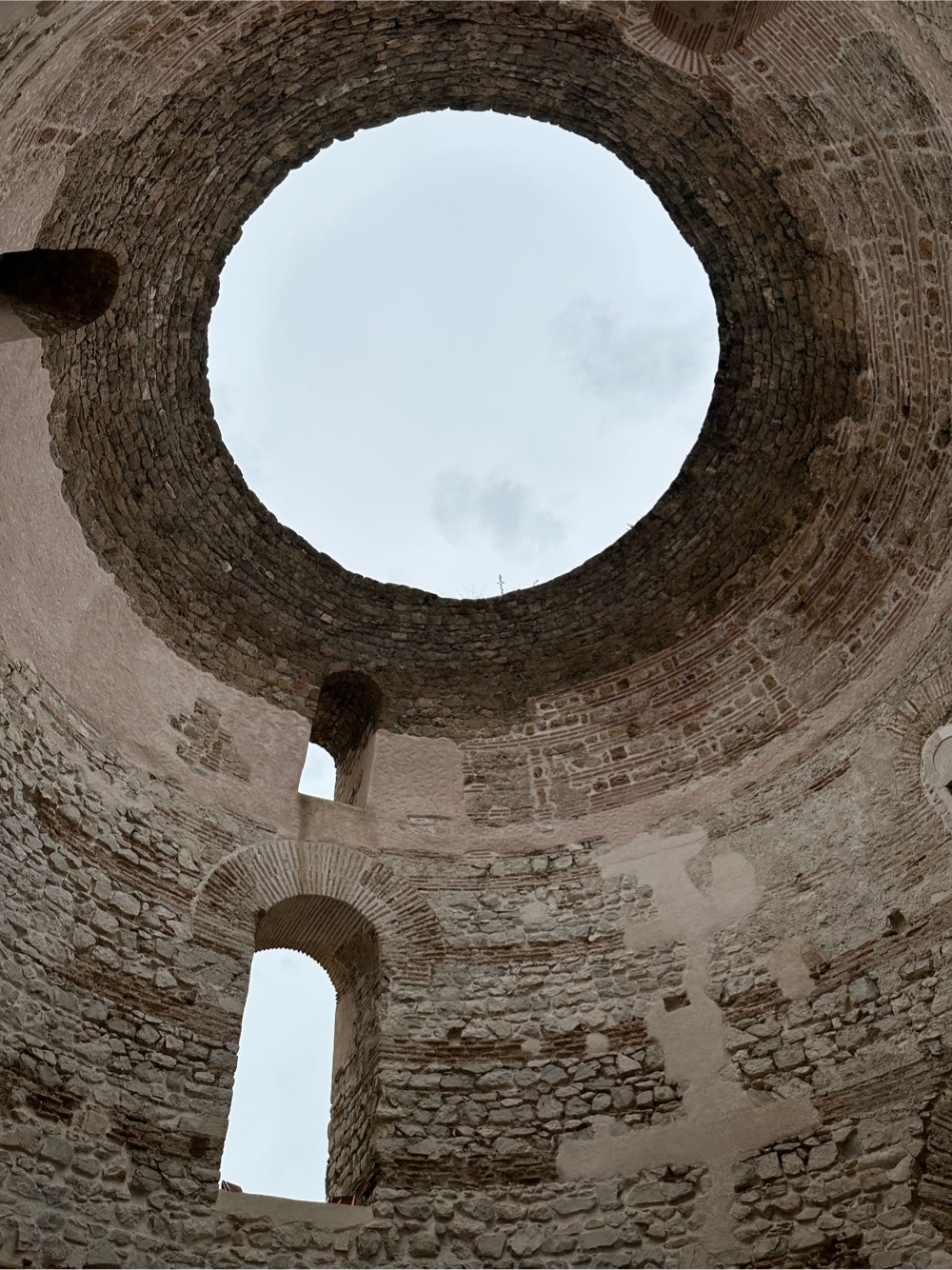
Part of the surviving palace is the circular entry hall. A quartet was there singing traditional Croatian music in the ideal acoustics. I thought they were great - John was less impressed.
Our tour ended, and we did a little shopping before returning to the ship.
We always enjoy walking through grocery stores to see what’s different - like black-labeled Coke Zero and paprika flavored Lay’s potato chips.
Apparently Beaver fans aren’t welcome here -
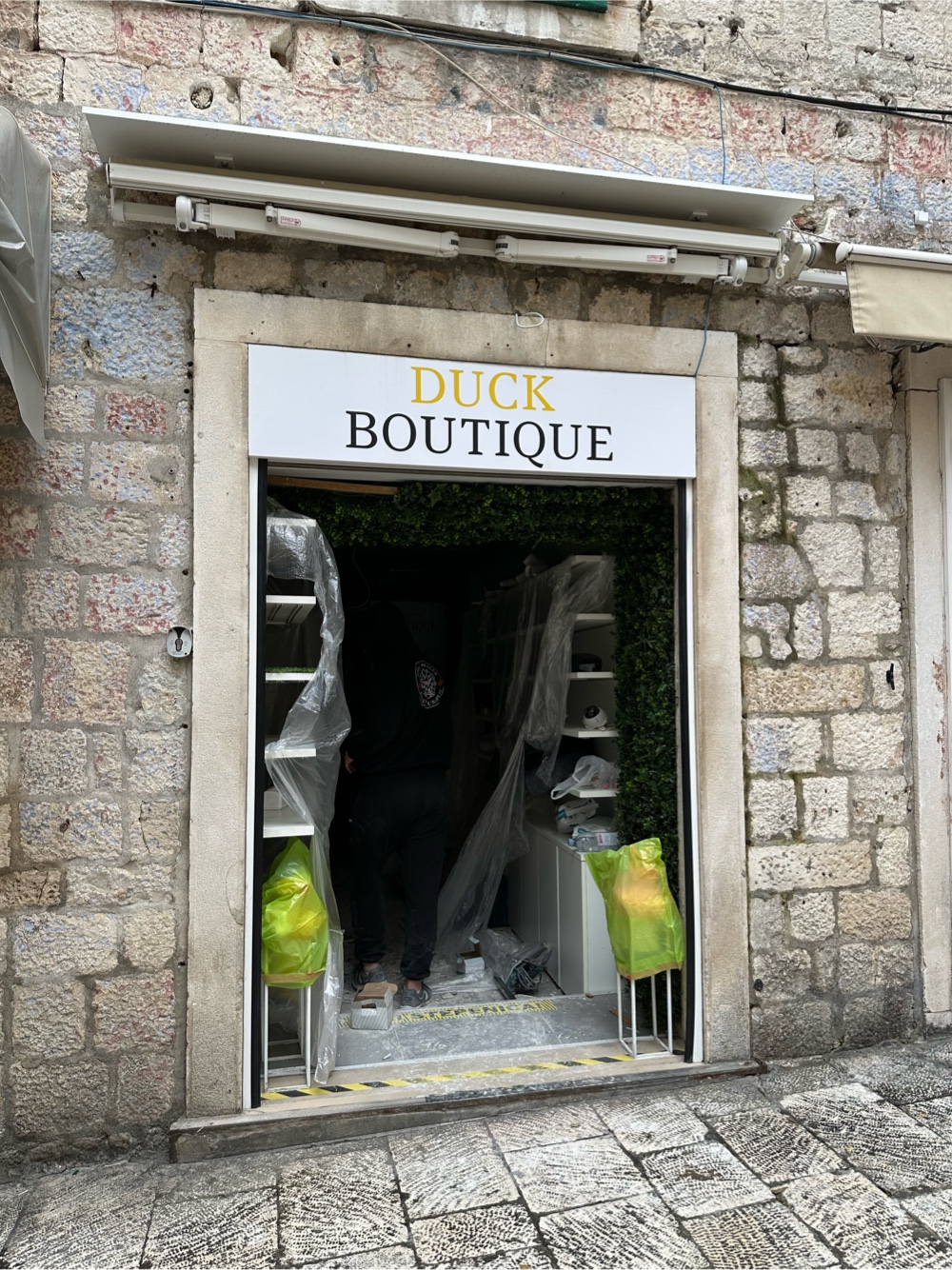
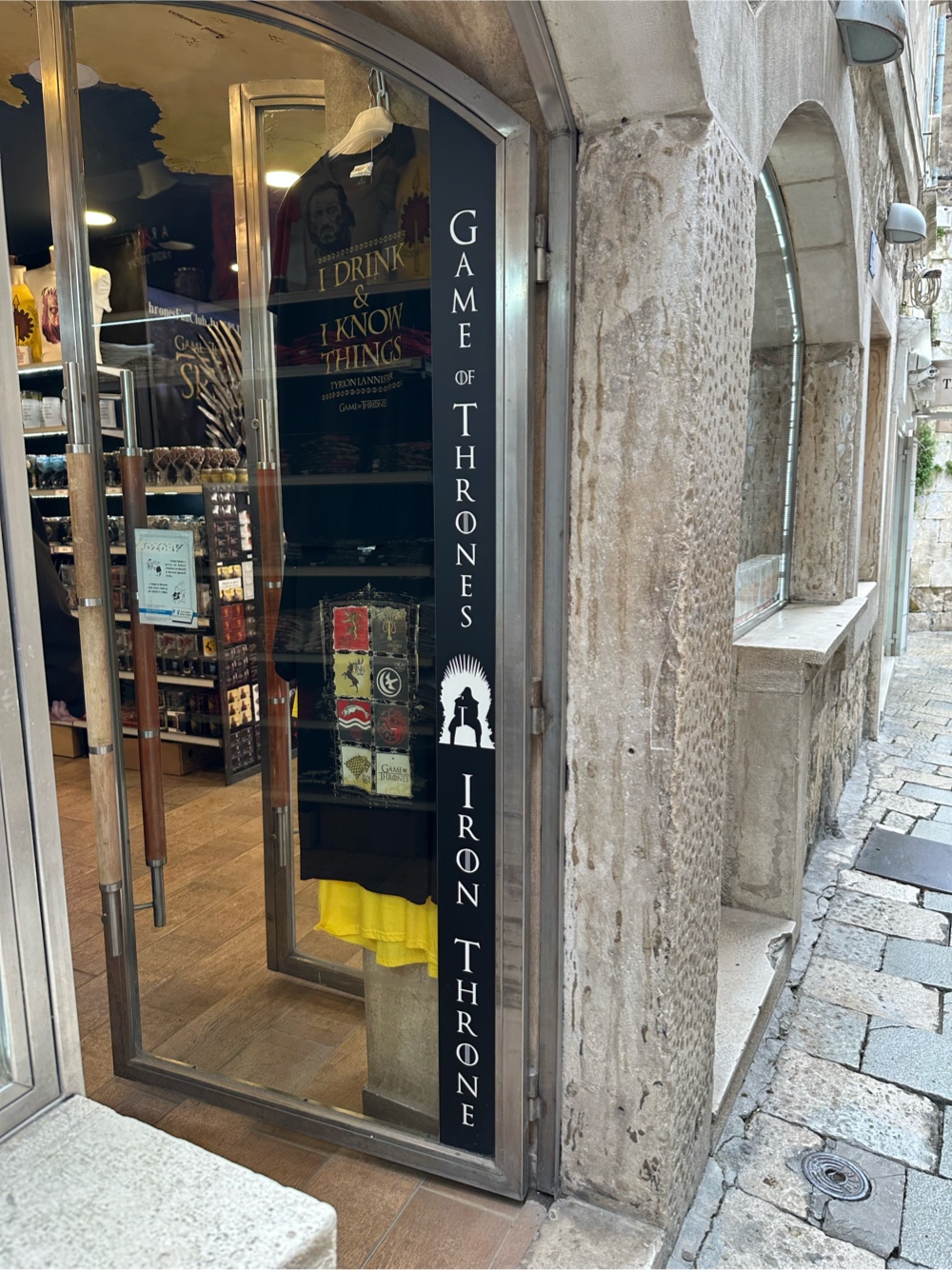
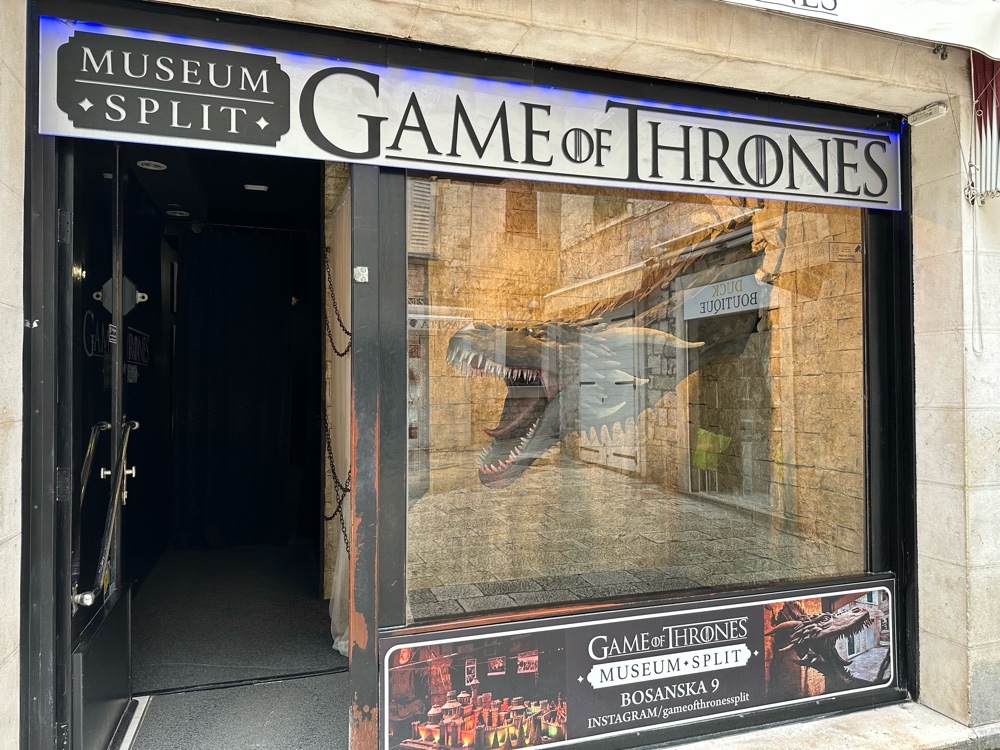
Since I’ve never watched Game of Thrones, I’m blissfully unaware of all the places it’s been filmed, but apparently Croatia is one of the key locations, and they have gift shops for the fans.
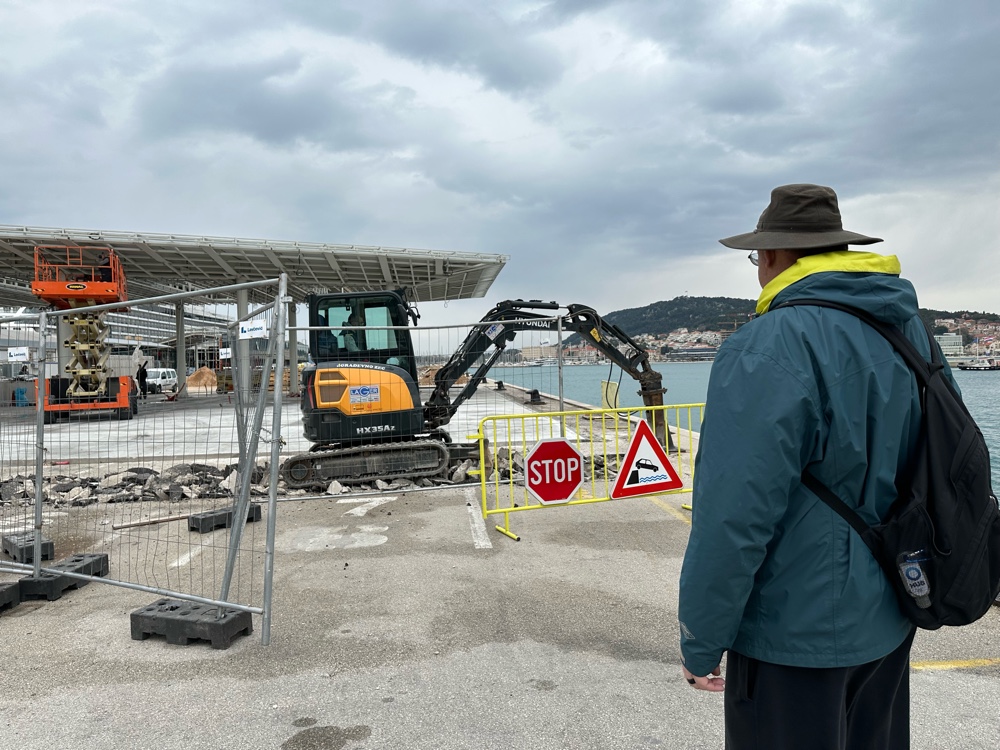
John’s been here before on one of his motorcycle adventures, so he’s wasn’t as interested in the walking tour as I was, but walking through the port to get into town and back to the ship was his kind of sightseeing.
As you can see in the photos, it was a cool, cloudy day. There was some light rain earlier, but it stopped shortly after we began our walking tour. Not bad weather.
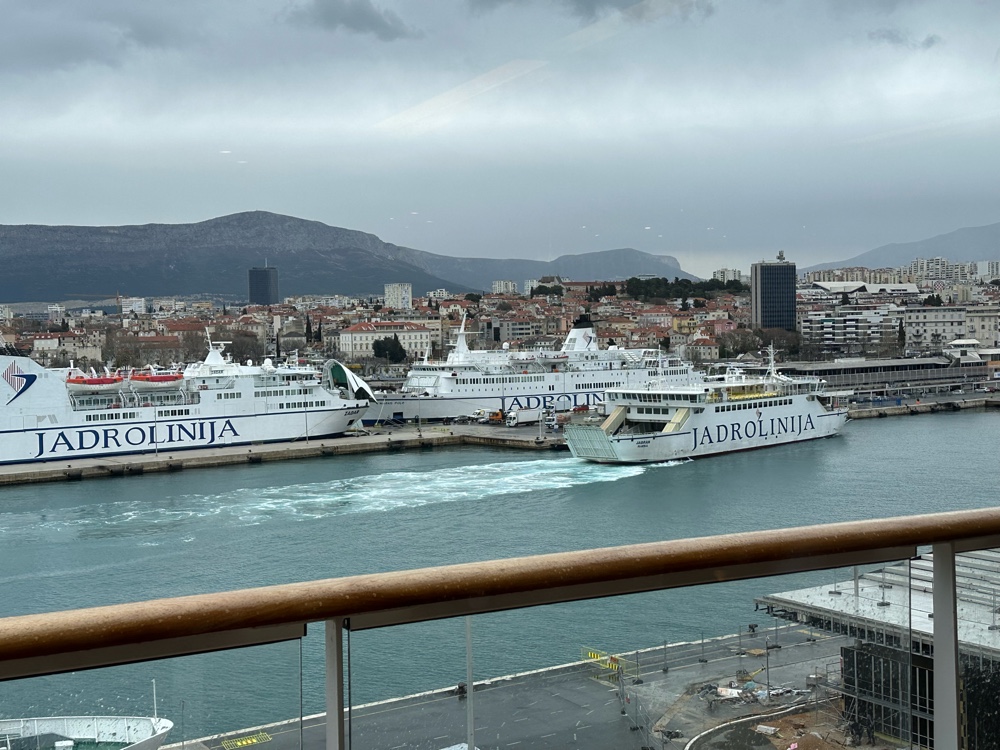
Once again, ours is the only cruise ship in port - it’s still the off-season, but there were lots of ferries going in and out of the port.
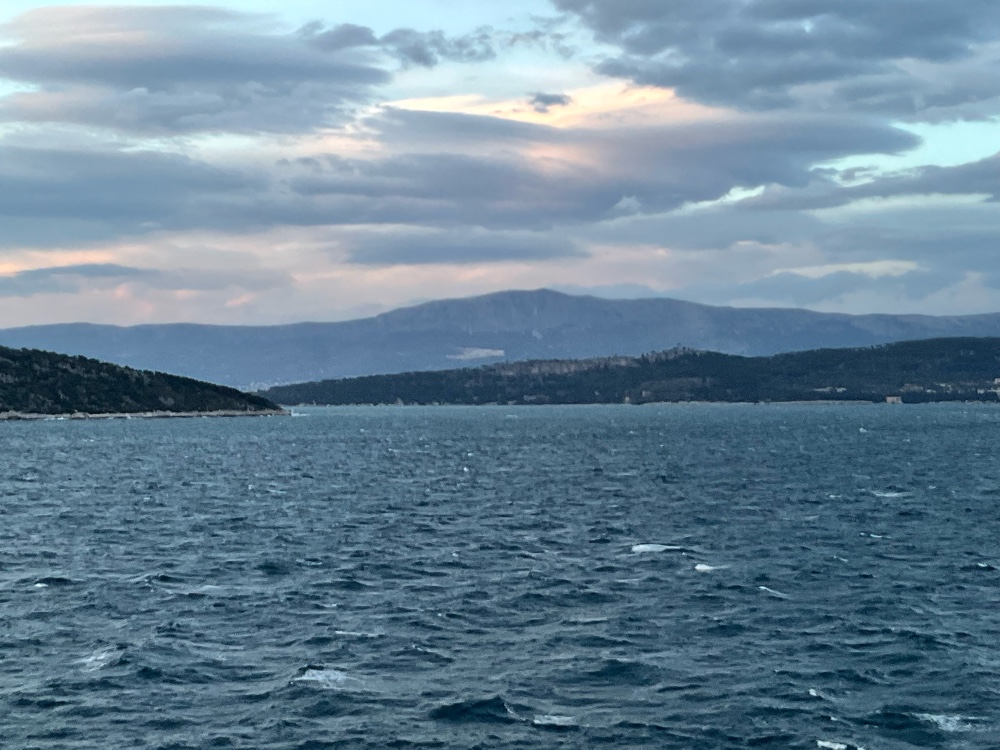
According to our guide, there are around 1200 islands in the small country of Croatia, and ferries are an important form of transportation.
We passed many of these islands as we left port en route to Dubrovnik, Croatia, our next stop.
After indulging in small bowls of excellent gelato, we returned to the ship for a leisurely afternoon followed by a couple more talks and another dinner at the Italian restaurant.




Comments
Post a Comment